
Chamberlain Garage Door in Philadelphia: A Homeowner’s Guide
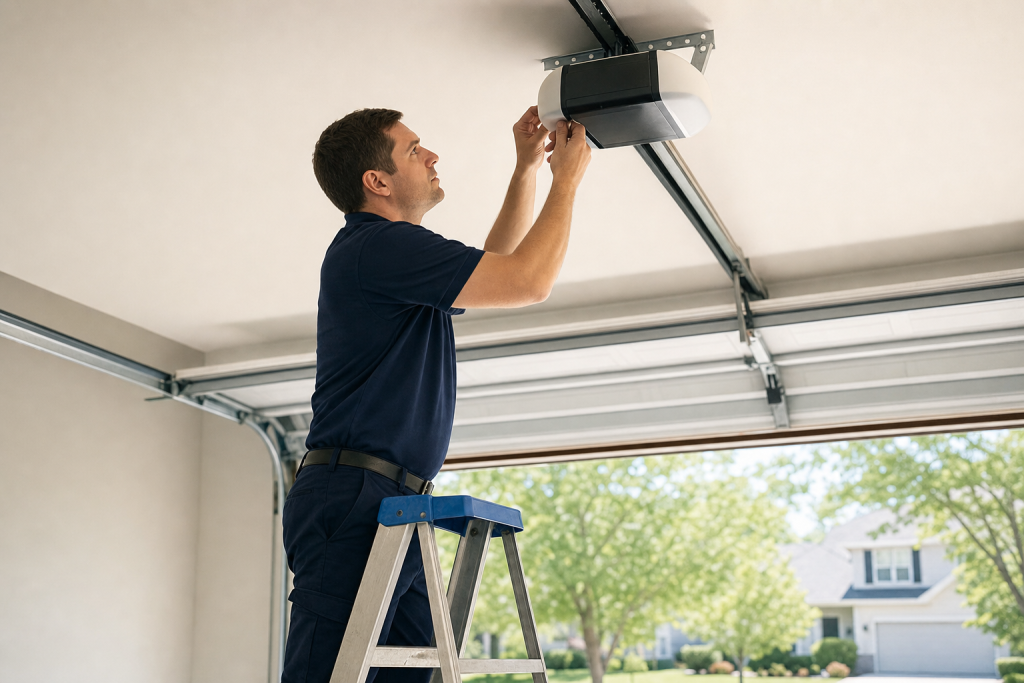
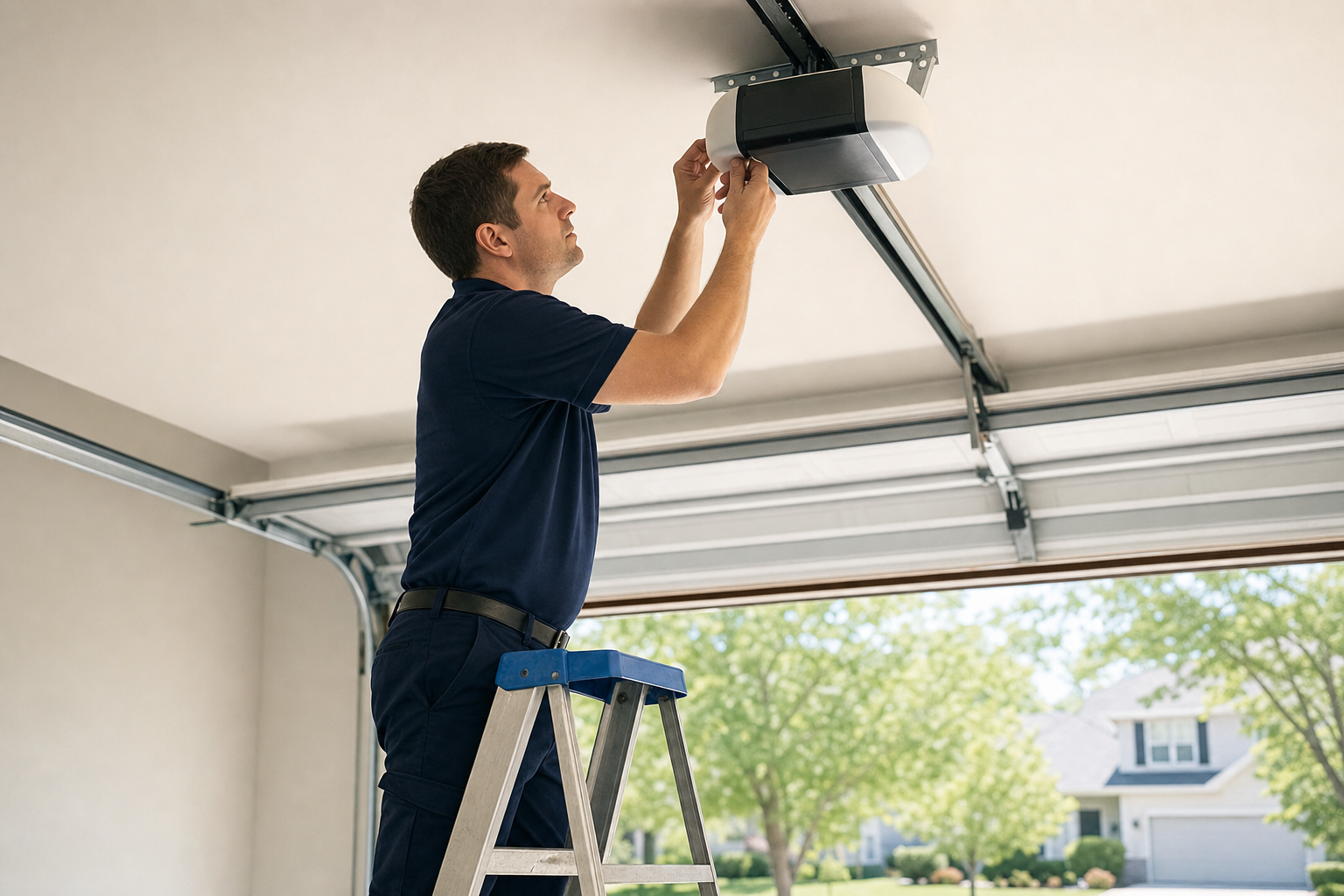
Nearly 1 in 3 Chamberlain opener returns nationwide stem from a mismatch between the unit’s rail length and the garage’s headroom clearance. This problem is disproportionately common in Philadelphia, where our historic row-home architecture often forces garage doors into tight, low-clearance spaces that modern, standard-length rails simply cannot accommodate. If you are planning a new opener installation in Philadelphia, choosing the right model is only half the battle; the other half is understanding how your specific garage structure interacts with the hardware.
Chamberlain openers are generally reliable, but they fit most Philadelphia garages only if you calculate your headroom and rail requirements before opening the box. If you have less than 4 inches of clearance above the door, a standard rail will not work, and you will likely need a wall-mount jackshaft model or a low-headroom modification kit. If you would rather not manage these measurements or deal with the mechanical risks of installation, Keystone offers free estimates for professional assessment; call (855) 340-5368.
How Philadelphia’s Housing Stock Affects Opener Compatibility
The vast majority of garage doors in Philadelphia were installed on homes built decades, sometimes nearly a century, ago. When you buy a Chamberlain unit from a big-box store, it usually comes with a standard 7-foot rail designed for suburban detached garages with plenty of ceiling height. In neighborhoods like Manayunk or South Philly, where space is at a premium, that standard rail often hits the ceiling joists or gets obstructed by HVAC ductwork.
We see this issue constantly. Homeowners often try to force a standard rail into a tight spot, which leads to the rail bowing or, worse, the door binding during the opening cycle. If your garage ceiling is low, you should look for Chamberlain models that support “wall-mount” configurations. These units mount to the side of the door rather than the ceiling, which completely sidesteps the headroom issue. Furthermore, Philadelphia’s older concrete floors are rarely perfectly level. If your floor slopes significantly, your safety sensors will struggle to align. When sensors are misaligned, the garage door will refuse to close, which is a major security headache. Before buying a new unit, check your floor level with a simple bubble level. If the floor is uneven, you may need a professional to adjust your bracket positioning to ensure the sensors can “see” each other across the threshold.
Noise and Vibration in Shared-Wall Row Homes
Living in a row home means you have neighbors on one or both sides of your garage. Noise transmission is a genuine concern for many Philadelphia residents. A chain-drive opener is the industry standard for durability, but it is also the loudest option. In a shared-wall situation, the vibration from a chain drive can travel through the structural framing of the house, creating a buzzing sound that your neighbor will hear every time you come home late.
We always recommend a belt-drive Chamberlain model for row homes. The belt drive operates much more quietly than a chain because it uses a rubber-like material that absorbs vibration rather than metal-on-metal contact. This small upgrade makes a significant difference in maintaining neighborly relations. We recently worked on a project in Fishtown where the homeowner switched from a rattling chain drive to a belt drive, and the reduction in vibration was immediate. It also helps to install vibration-dampening pads between the opener bracket and the ceiling joists. This simple step, which many DIY installers skip, prevents the motor’s vibration from traveling directly into the living space above the garage.
The Wi-Fi Connectivity Challenge in Dense Neighborhoods
Smart features like myQ are incredibly convenient, allowing you to check your door status from your phone. However, Philadelphia’s dense brick and stone construction acts as a natural signal blocker. If your garage is detached or located at the back of a deep lot, your home Wi-Fi signal might struggle to reach the opener. We have seen many homeowners frustrated by their Chamberlain opener losing connectivity, only to realize the motor is in a total Wi-Fi dead zone.
If you are installing a smart opener, test your Wi-Fi signal in the garage before you finalize your purchase. You can do this with your phone; if your phone shows only one bar or struggles to load a webpage while standing in the garage, your opener will likely have the same problem. You may need to install a Wi-Fi extender in the garage or run a hardwired ethernet connection to a bridge. A smart opener that cannot connect to the internet is just a standard opener, so ensure your infrastructure supports the technology before you pay for the premium features.
Permits and HOA Considerations in Historic Districts
If you live in a historic district like Chestnut Hill or Society Hill, you are likely accustomed to strict regulations regarding home exterior changes. While a garage door opener is an interior device, the installation might involve structural changes to the door or the header, which could trigger a need for a permit. Most standard replacements do not require a permit, but if you are changing the door itself or doing major structural work to accommodate a new opener, you should verify with the Philadelphia Department of Licenses and Inspections.
Additionally, check your HOA bylaws if you are in a managed community. Some associations have specific rules about smart-home devices that emit signals or require external antennas. While rare, it is better to confirm this in advance than to install a system that you are later forced to remove. At Keystone, we have experience working across various Philadelphia neighborhoods and can help you determine if your planned upgrade aligns with local requirements. We believe in doing the job right the first time, which is why we emphasize the Keystone home philosophy: one standard of quality across every trade.
Why Professional Installation Matters
Installing a garage door opener involves high-tension springs and cables. These components are under significant pressure and can cause serious injury if handled improperly. A garage door spring can snap with enough force to cause severe harm, and cables can whip violently if released while under tension. This is not a task for the casual weekend hobbyist. We strongly recommend that you leave the handling of springs and cables to a trained professional.
Beyond the safety aspect, professional installation ensures your warranty remains valid. Many manufacturers, including Chamberlain, require proof of professional installation for certain warranty claims. When we install an opener, we perform a full balance test on the door. If the door is not balanced, the new opener will burn out its motor prematurely. We see homeowners replace their opener every three years because they did not fix the underlying balance issue on the door itself. A pro will identify that your springs are tired and replace them, extending the life of your new opener by years. If you need help with your garage door system, our Garage Door in Philadelphia service is built on the same promise of reliability that we bring to our Air Duct Cleaning in Philadelphia and Chimney Cleaning in Philadelphia services.
The Bottom Line
Chamberlain openers are excellent, robust machines, but they require a thoughtful approach to installation, especially in a city as dense and historically unique as Philadelphia. From measuring your headroom to choosing the right drive type for your noise-sensitive neighbors, the details matter. If you are ready to upgrade your garage door system and want the peace of mind that comes with a professional installation, Keystone is here to help. We offer free estimates and upfront, honest pricing. Call (855) 340-5368 to schedule your visit.
Frequently Asked Questions
In Philadelphia, a professional installation for a standard Chamberlain opener typically ranges from $350 to $650, depending on the model features and whether you need a rail extension or low-headroom modifications. This price includes the labor, the hardware, and the disposal of your old unit. Call (855) 340-5368 for an exact quote, as every garage setup is different.
If your opener is over 10 years old, it is usually more cost-effective to replace it rather than repair it, as parts for older models become hard to find and labor costs for troubleshooting can quickly exceed the price of a new unit. If the issue is minor, such as a sensor alignment or a broken gear, a repair is often the better choice. We can inspect your unit and give you an honest recommendation on whether it is worth fixing or time to upgrade.
We prioritize emergency and urgent service requests for our Philadelphia neighbors, and we often have same-day or next-day availability for opener installations. Our schedule fills up quickly, so please call (855) 340-5368 as early as possible in the day to check our current capacity and secure a time slot.
This is almost always a safety sensor issue, which is extremely common in Philadelphia garages where temperature fluctuations or vibrations can shift the sensor alignment. Ensure the sensors are clean and the lights on both units are solid, not blinking; if they are blinking, the beam is obstructed or the sensors are out of alignment. If you cannot get them to align, give us a call at (855) 340-5368, as this is a safety feature that should never be bypassed or disabled.
Written by the team at Keystone, serving Philadelphia since 2018.
Need Garage Door Help?
Call Keystone - licensed & insured, available 24/7 in Philadelphia.
(855) 340-5368